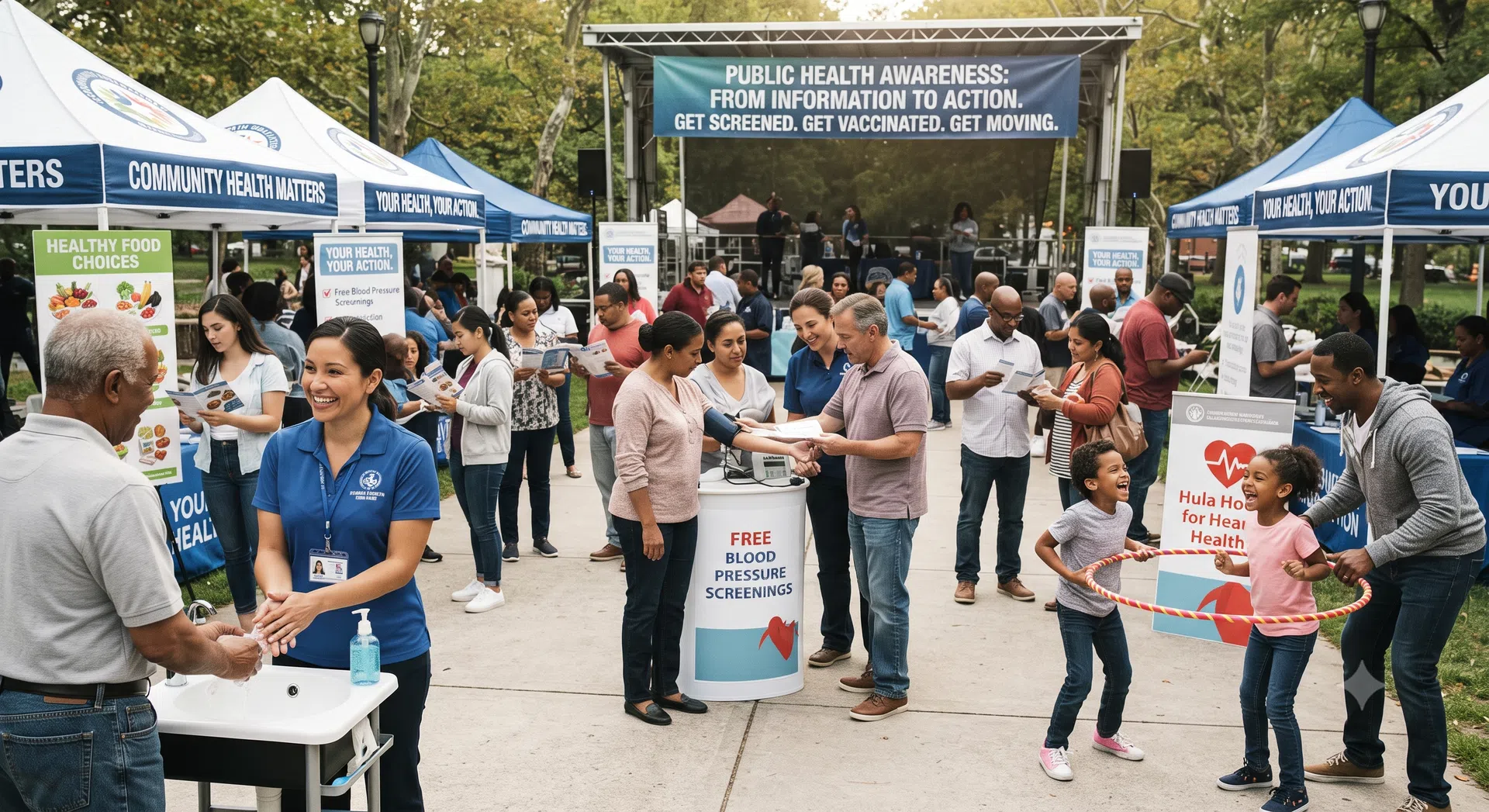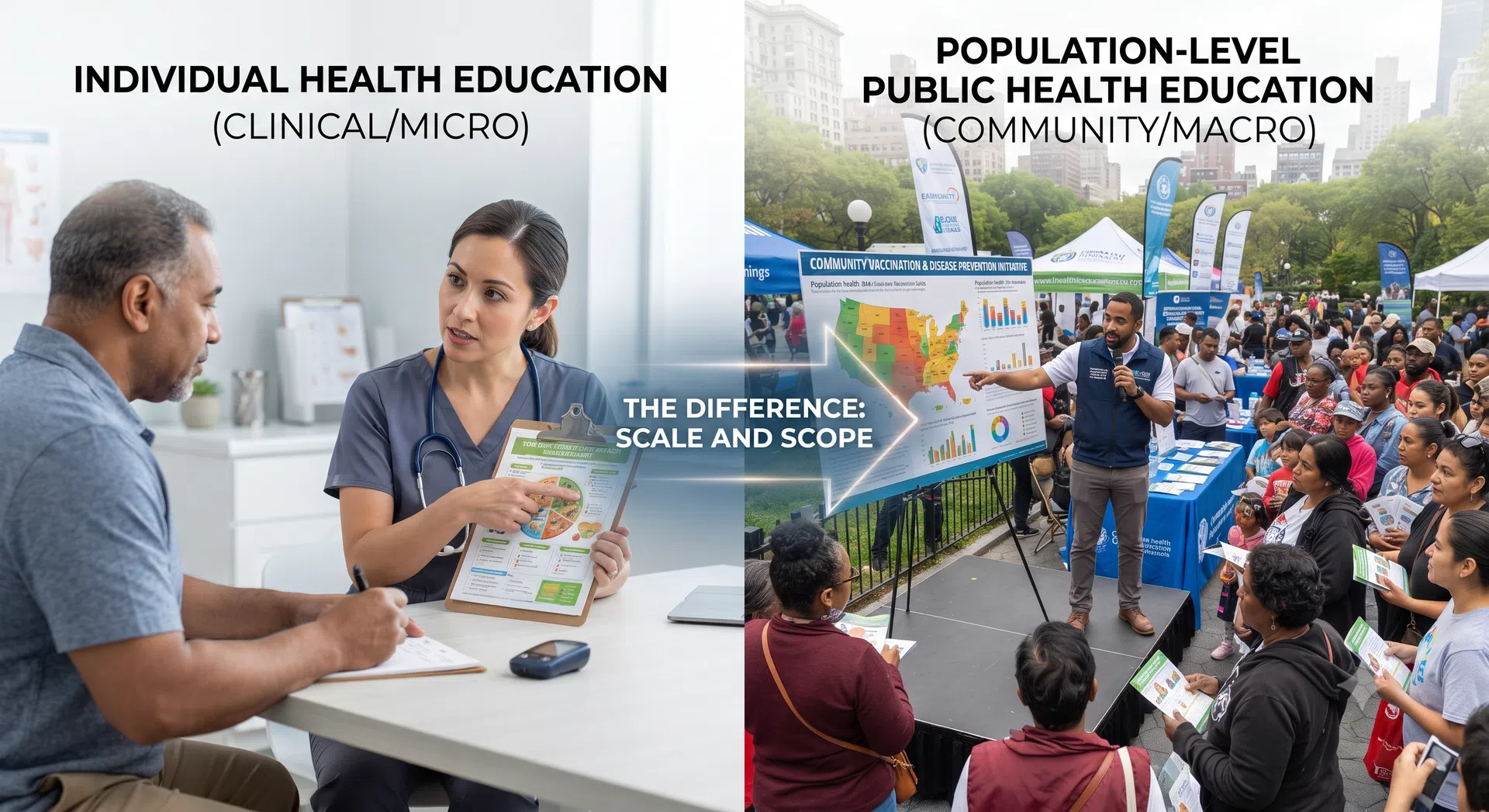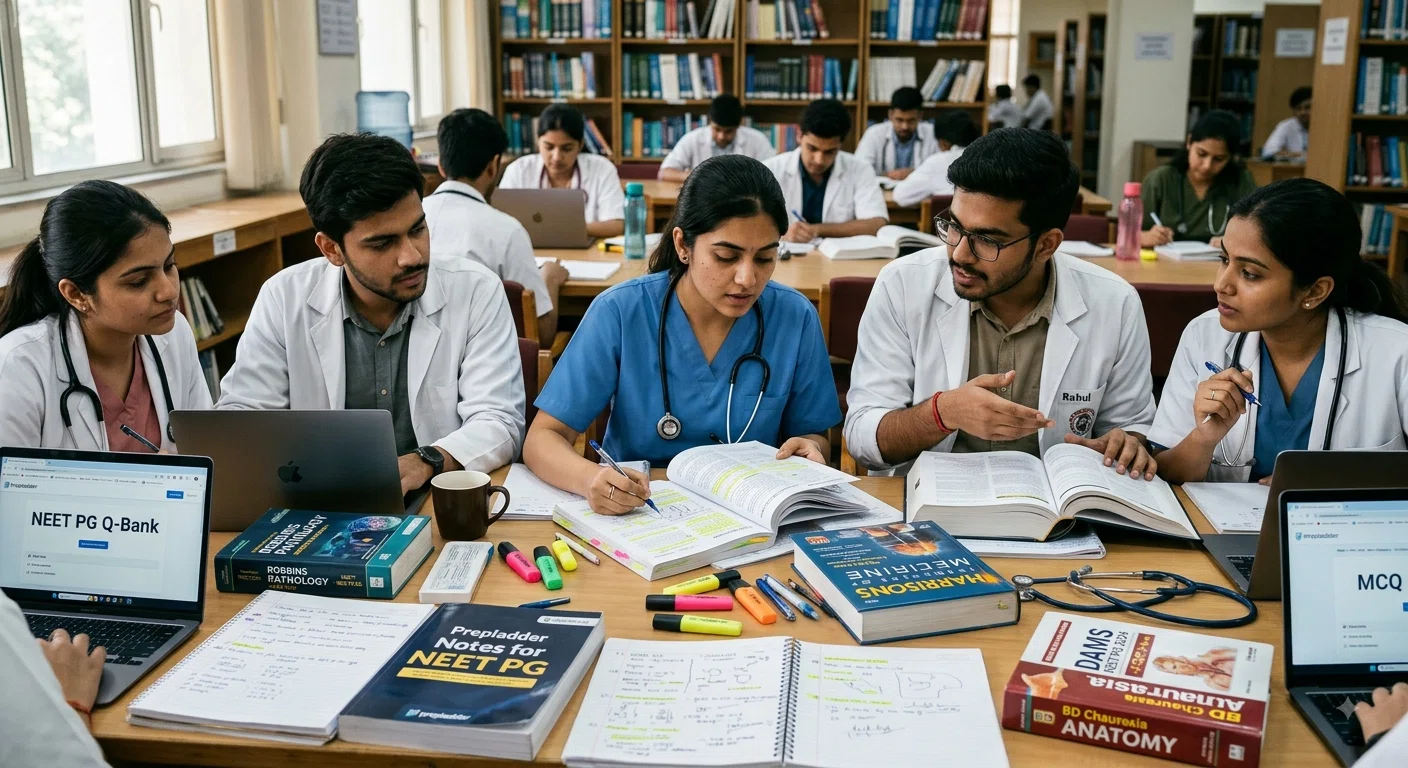

Health inequality remains one of the most stubborn developmental challenges in India. Despite rapid economic growth and infrastructural expansion, deep disparities persist between urban and rural areas, high and low-income groups, and various social strata. While medical interventions and hospital construction are vital, policymakers increasingly recognize that the key to bridging this health divide lies outside the hospital doors: in the classroom.
The Link Between Schooling and Health Outcomes
The gradient between educational attainment and lifelong health is well-documented across global and domestic public health literature (Zajacova & Lawrence, 2018). In India, an individual's level of formal education directly influences their socioeconomic trajectory, health literacy, and access to resources. Educated individuals possess a higher capacity to comprehend medical advice, navigate complex healthcare systems, and adopt preventive health behaviors.
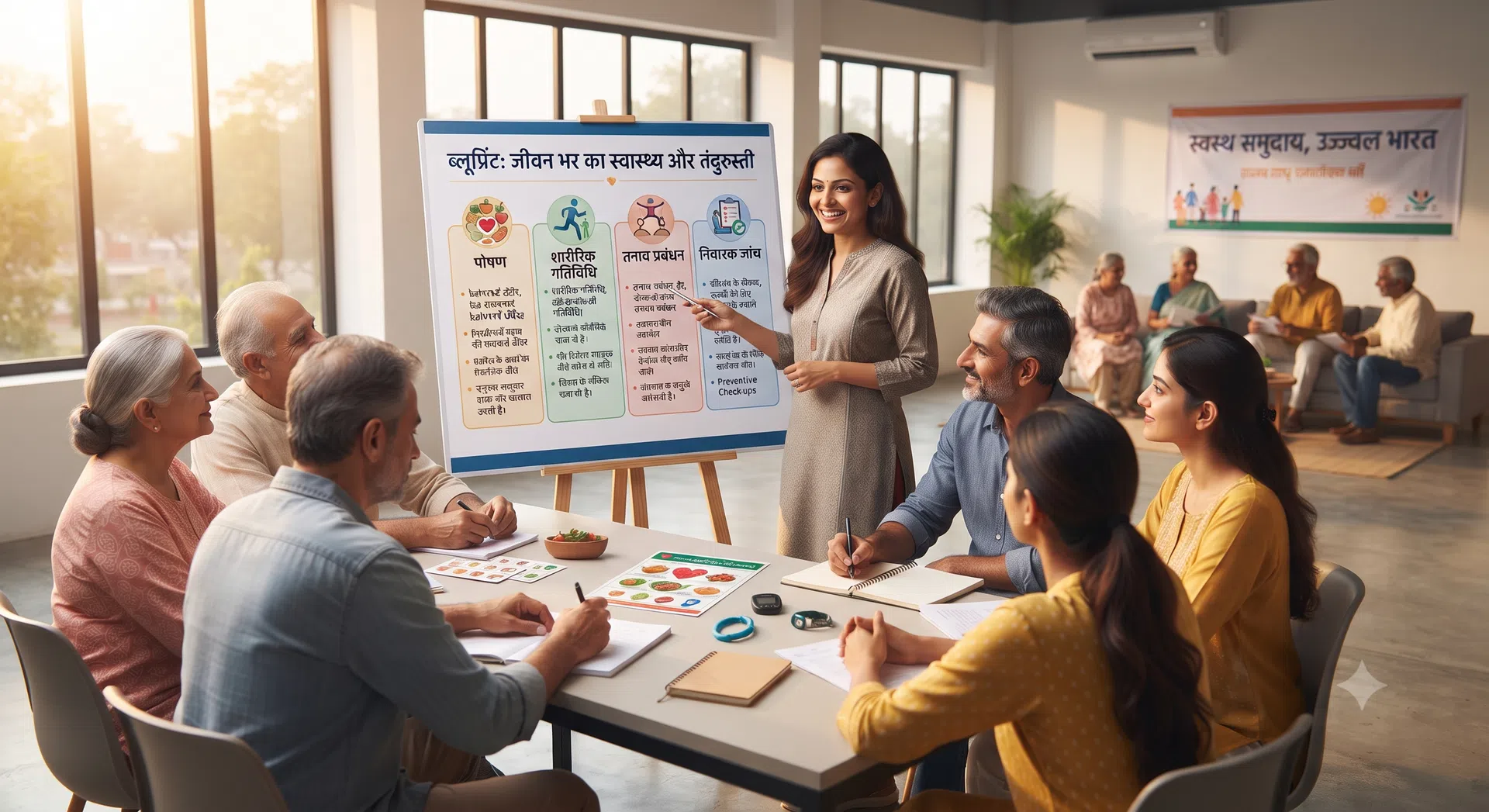
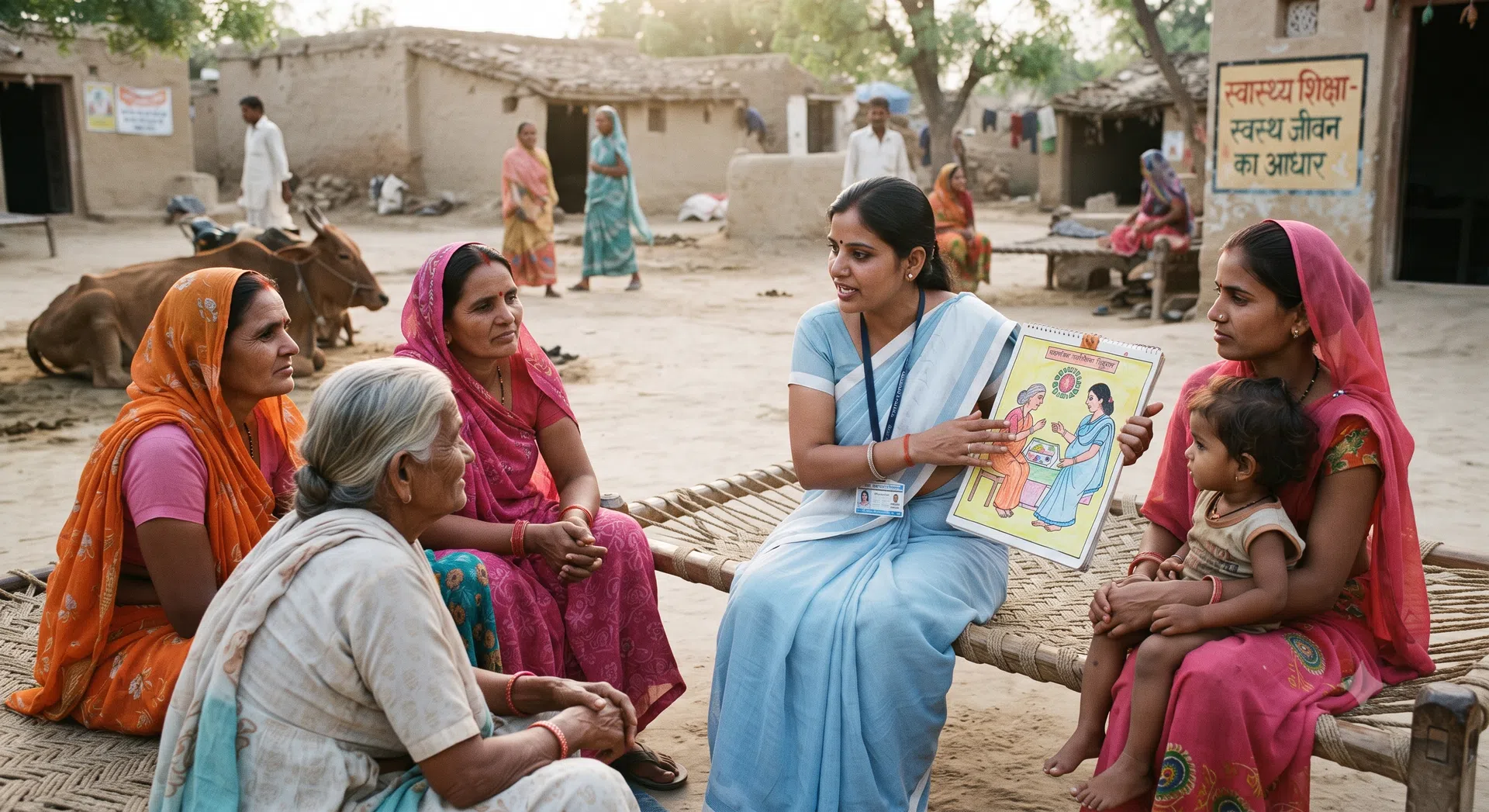
Furthermore, schooling equips individuals with critical cognitive skills necessary to evaluate health risks. From understanding nutritional requirements to recognizing early symptoms of chronic illnesses, educated citizens are better positioned to protect their families from preventable diseases. This foundational awareness acts as a shield against the vulnerabilities often exacerbated by poverty.
Breaking the Intergenerational Cycle of Poverty
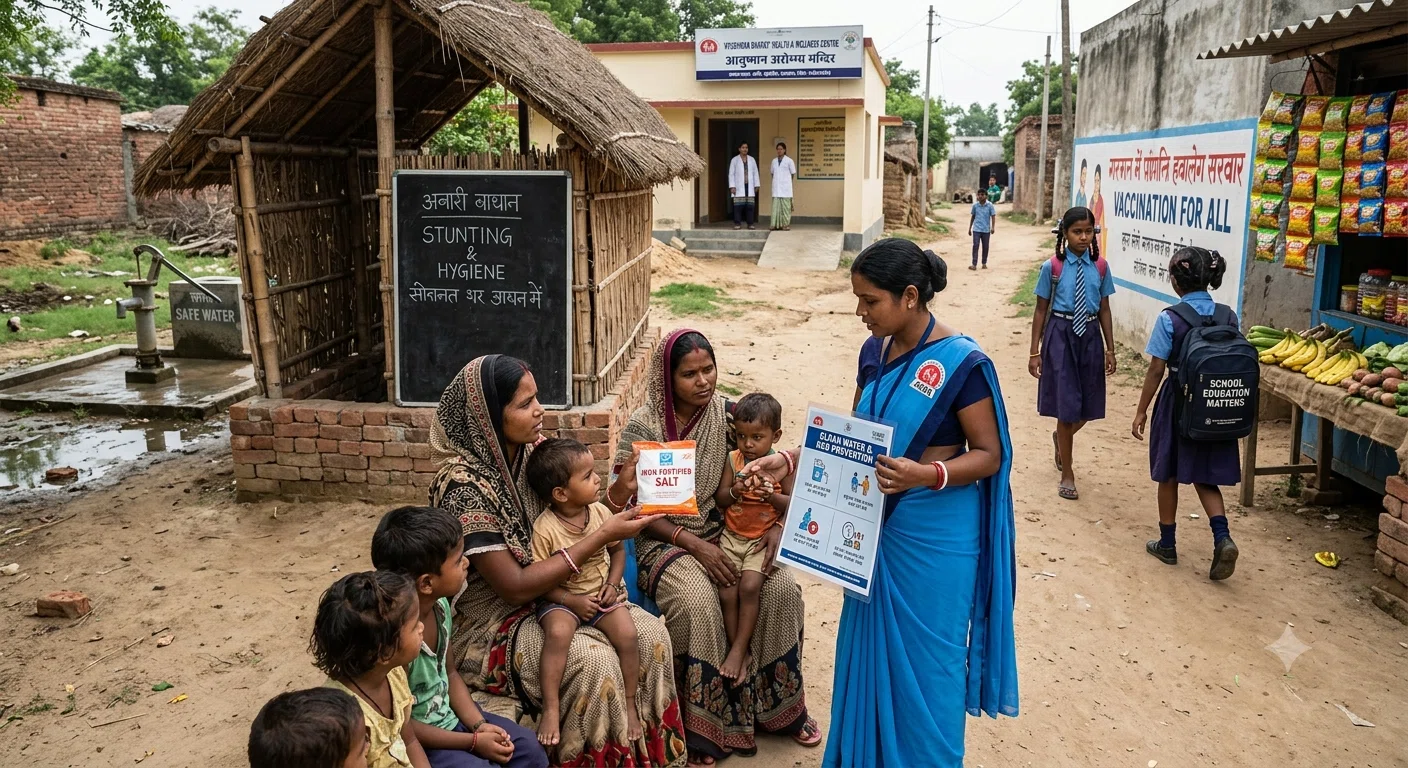
Health inequality in India is largely anchored in structural poverty. Malnutrition, poor sanitation, and limited access to clean drinking water disproportionately affect marginalized communities, laying the groundwork for chronic illnesses that span generations. Education functions as a powerful socio-economic equalizer by unlocking stable employment and higher earning potentials (Bhan et al., 2016).
When individuals secure stable incomes through quality education, they can afford better living conditions, balanced diets, and private healthcare options when public infrastructure falls short. Education breaks the vicious cycle where poverty leads to poor health, and poor health, in turn, drains household finances, plunging families deeper into destitution.
Addressing Regional and Gender Disparities
While national literacy rates have improved significantly over recent decades, regional imbalances—particularly between southern and northern states—continue to mirror health disparities. States with higher investments in universal schooling typically report lower infant mortality rates and higher life expectancies.
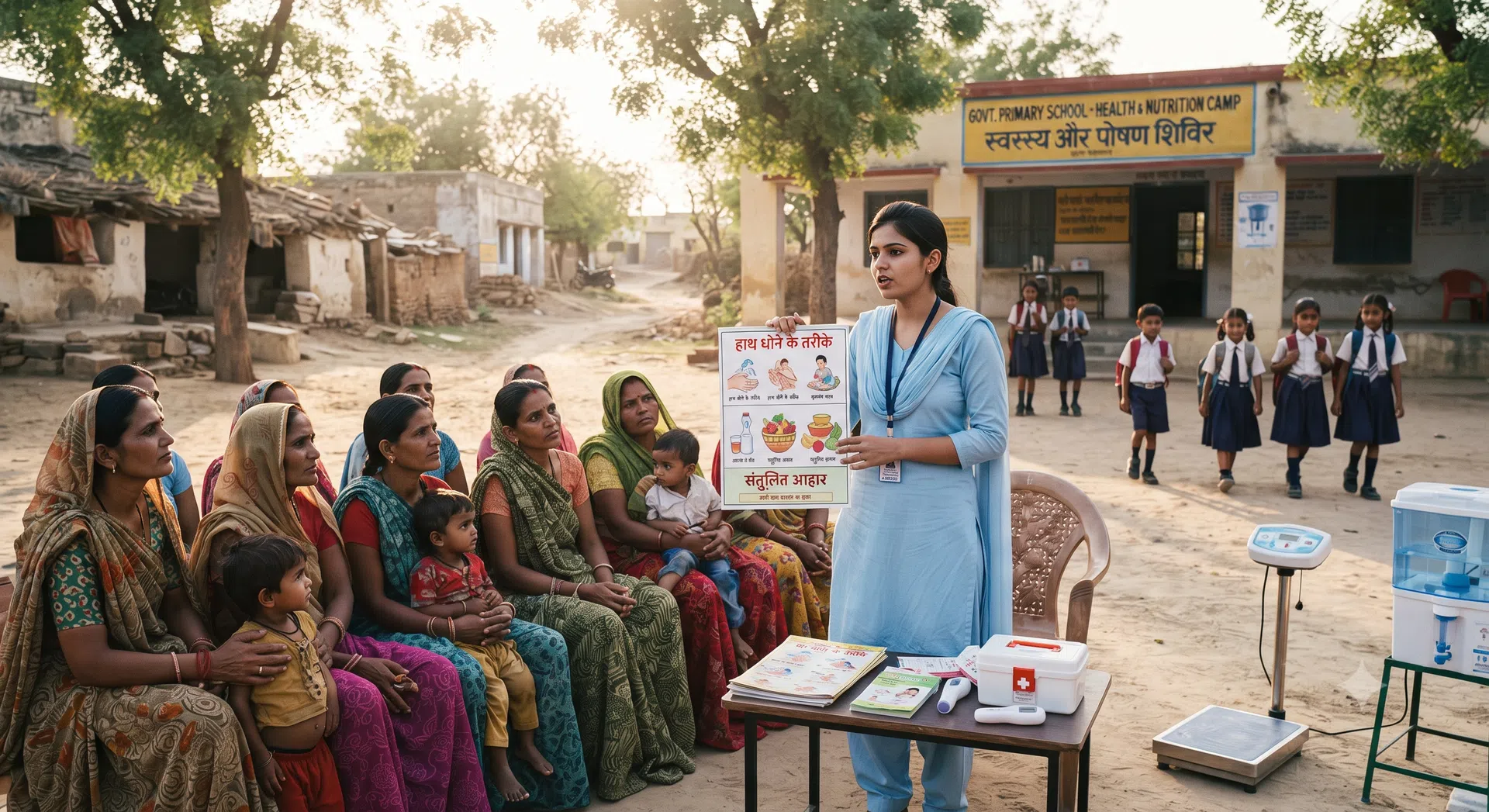
Gender equity in education plays an equally transformative role. Educated women are more likely to marry later, utilize maternal health services, ensure timely vaccinations for their children, and practice better household hygiene. Empowering girls through education creates a ripple effect that directly elevates community health indicators and reduces gender-based health gaps.
Policy Implications and Moving Forward
To harness education as a tool for health equity, India must look beyond mere enrollment numbers and prioritize the quality of learning environments, especially in rural and underserved districts. Integrating comprehensive health literacy into school curricula, expanding nutritional support schemes like mid-day meals, and bridging digital divides are essential steps forward.
References
Bhan, N., Rao, K. D., & Kachwaha, S. (2016). Health inequalities research in India: a review of trends and themes in the literature since the 1990s. International Journal for Equity in Health, 15, Article 157. https://doi.org/10.1186/s12939-016-0457-y
Zajacova, A., & Lawrence, E. M. (2018). The relationship between education and health: reducing disparities through a contextual approach. Annual Review of Public Health, 39, 273–289. https://doi.org/10.1146/annurev-publhealth-031816-044628
Ghosh, M. (2026). Regional Disparities in Education, Health and Human Development in India. ResearchGate. https://www.researchgate.net/publication/302964390_Regional_Disparities_in_Education_Health_and_Human_Development_in_India