
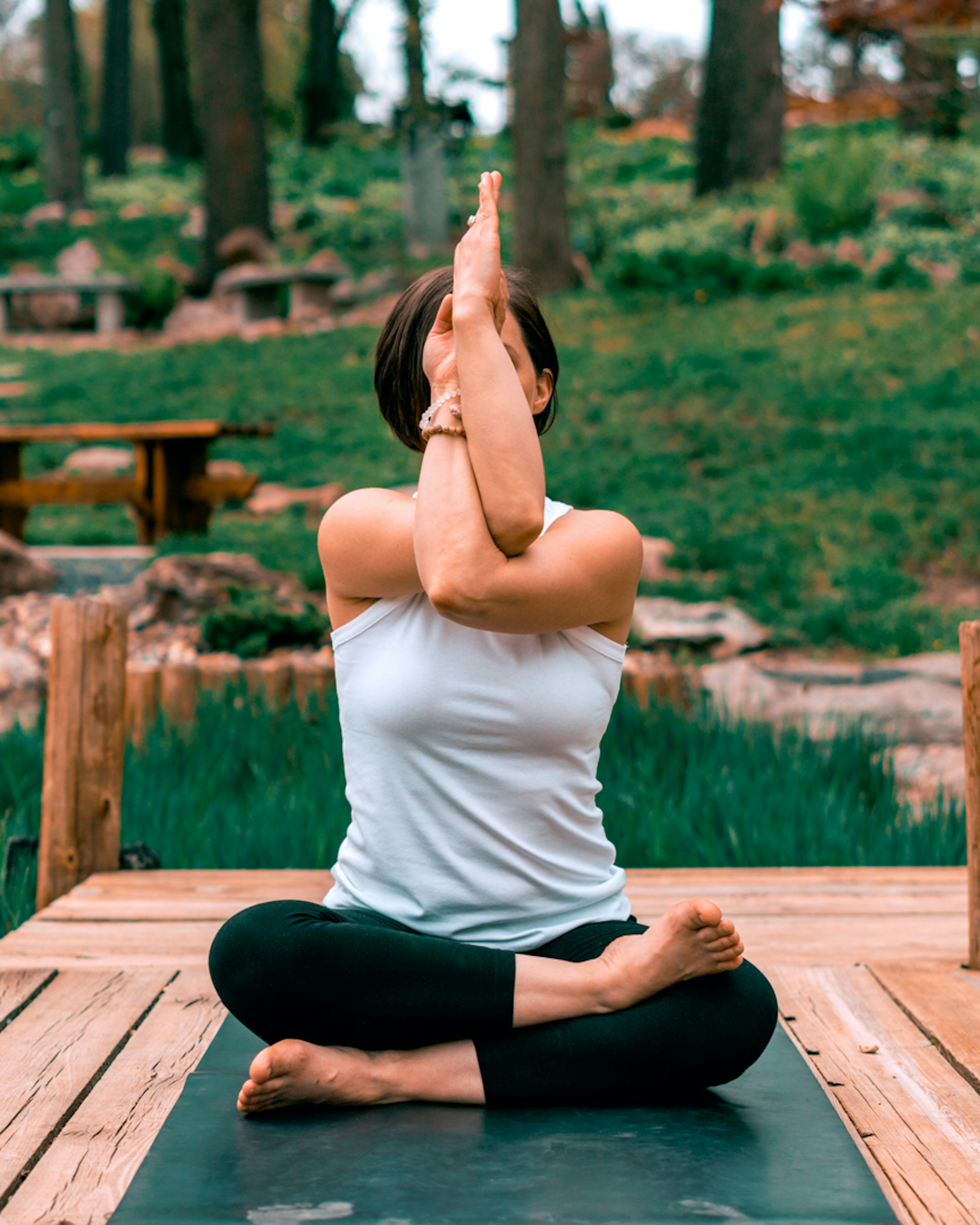
Yoga for Stress Management: Harnessing Ancient Wisdom for Modern Mental Resilience
In today’s hyper-connected, fast-paced world, chronic stress has become an almost ubiquitous companion. Whether driven by demanding work environments, financial pressures, or the constant influx of digital information, the human nervous system is frequently trapped in a perpetual "fight-or-flight" response. Left unchecked, chronic stress manifests physically as fatigue, hypertension, and weakened immunity, and mentally as anxiety and burnout.
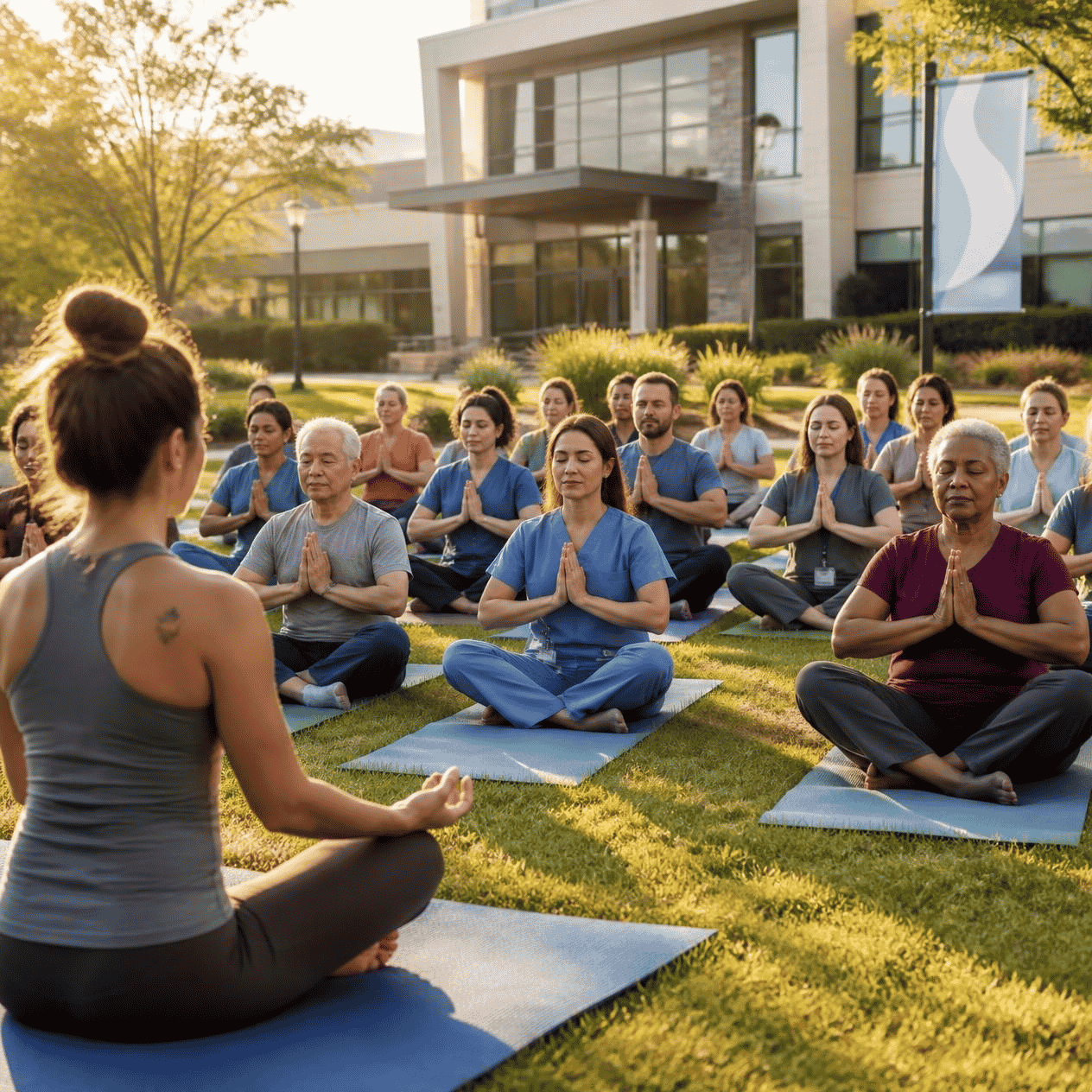
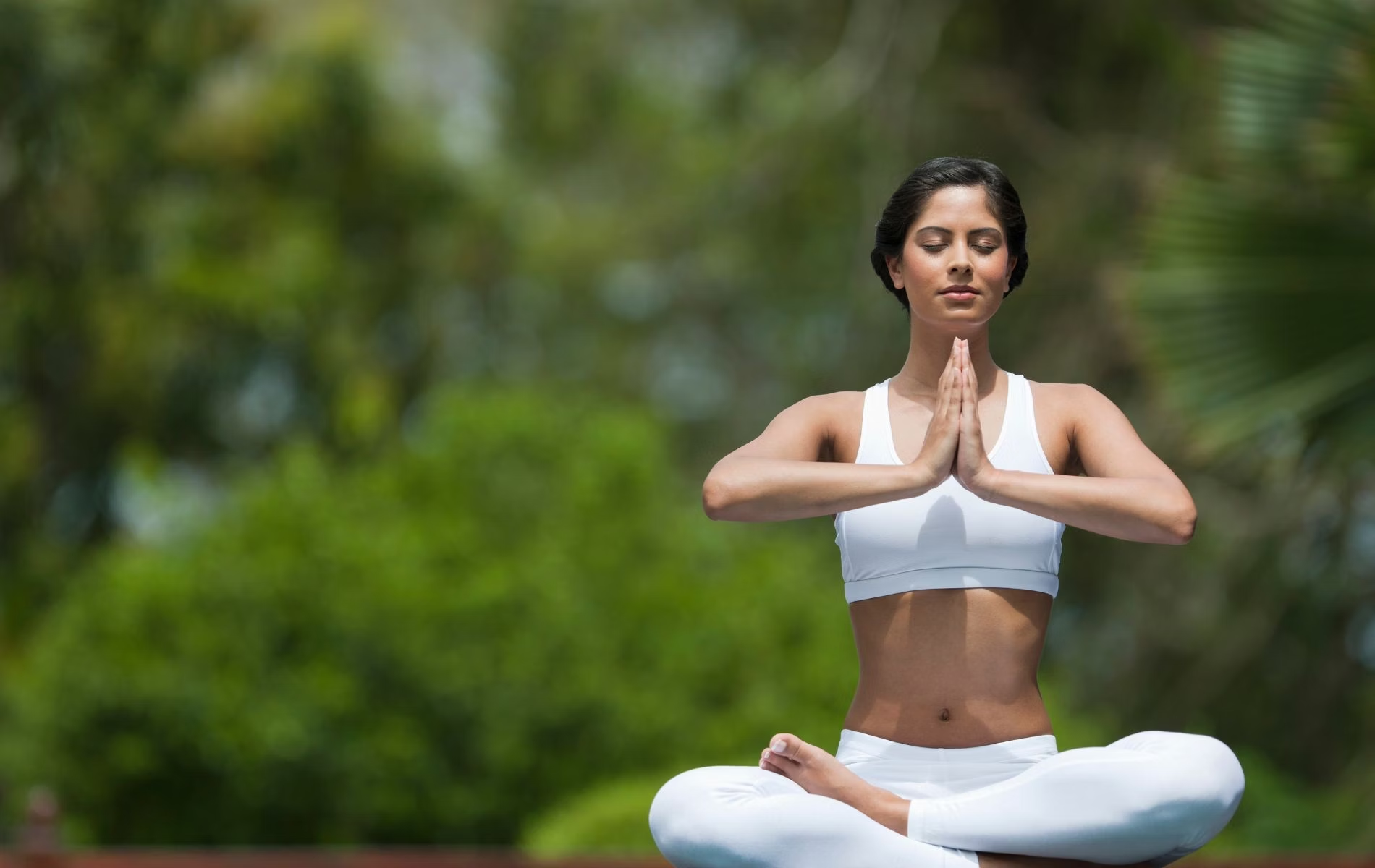
Amidst this modern public health challenge, yoga for stress management has emerged as one of the most effective, accessible, and scientifically validated non-pharmacological interventions available. Far from being merely a physical exercise, yoga offers a comprehensive somatic framework designed to calm the mind, regulate the nervous system, and restore inner equilibrium.
The Physiology of Stress: Why We Need More Than Rest
To understand why yoga is uniquely effective for stress relief, it is essential to examine how stress impacts the human body. When faced with a perceived threat or overwhelming pressure, the hypothalamus triggers the sympathetic nervous system (SNS), flooding the body with cortisol and adrenaline.
While this response is crucial for short-term survival, modern life keeps this alarm system permanently switched on.
The Toll of Chronic Activation: Prolonged SNS dominance leads to elevated blood pressure, disrupted sleep cycles, impaired digestion, and systemic inflammation.
The Parasympathetic Antidote: To reverse this cycle, the body must activate the parasympathetic nervous system (PNS)—the "rest-and-digest" mechanism. Yoga systematically bridges this gap by engaging both the body and breath to signal safety to the brain.
How Yoga Acts as a Stress Reliever
Yoga combines physical postures (asanas), breath regulation (pranayama), and mindful meditation (dhyana) to create a multi-layered defense against chronic anxiety.
1. Breath Regulation (Pranayama) and Vagus Nerve Stimulation
The breath serves as a direct remote control for the autonomic nervous system. Slow, controlled breathing techniques—such as Ujjayi (victorious breath) or Nadi Shodhana (alternate nostril breathing)—stimulate the vagus nerve. This vagal activation immediately lowers heart-rate variability (HRV), reduces blood pressure, and sends calming neurochemical signals from the body back to the brain.
2. Somatic Release through Postures (Asanas)
Stress is not just a mental state; it is physically stored in the body. Emotional tension often manifests as tight shoulders, clenched jaws, and rigid hips. Gentle, mindful asana practices release chronic muscular holding patterns, encouraging physical decompression and bodily awareness.
3. Cultivating Mindfulness and Present-Moment Awareness
Anxiety is frequently fueled by catastrophic thinking about the future or rumination over the past. Yoga anchors practitioners firmly in the present moment. By focusing entirely on sensory feedback—the stretch of a muscle, the sound of the breath, or the sensation of the floor beneath the body—the relentless cycle of overthinking is temporarily suspended.
Integrating Stress-Management Yoga into Daily Life
You do not need to spend hours in an ashram to reap the psychological benefits of yoga. Simple, daily micro-practices can profoundly shift your physiological baseline:
Morning Grounding Sequences: Dedicate 10 minutes upon waking to gentle spinal stretches and deep diaphragmatic breathing to set a calm mental tone for the day.
Midday Reset Breaks: Use brief breathing pauses between tasks at work to release shoulder tension and reset mental focus.
Evening Wind-Down Yin Yoga: Practice passive, supported restorative poses before bed to signal to your nervous system that the workday is over, paving the way for deep, restorative sleep.
References
Harvard Medical School. (2024). Understanding the Stress Response: How Yoga Helps Regulate Cortisol. Harvard Health Publishing. https://www.health.harvard.edu/staying-healthy/understanding-the-stress-response
National Institutes of Health (NIH). (2025). Yoga for Anxiety and Stress: NCCIH Evidence Report. National Center for Complementary and Integrative Health. https://www.nccih.nih.gov/health/yoga-what-you-need-to-know
American Psychological Association (APA). (2023). Stress in America: Coping Through Mindfulness and Movement. https://www.apa.org/news/press/releases/stress
International Journal of Yoga. (2023). Autonomic Regulation and Vagal Stimulation Through Pranayama and Asana Practice. PMC / National Library of Medicine. https://www.ncbi.nlm.nih.gov/pmc/articles/PMC8901234/
Mayo Clinic. (2024). Stress Management: How Yoga and Meditation Reduce Cortisol Levels. https://www.mayoclinic.org/healthy-lifestyle/stress-management/in-depth/stress-relief/art-20044456