
Tulsi Vivah: Celebrating the Sacred Marriage of Nature and Divinity
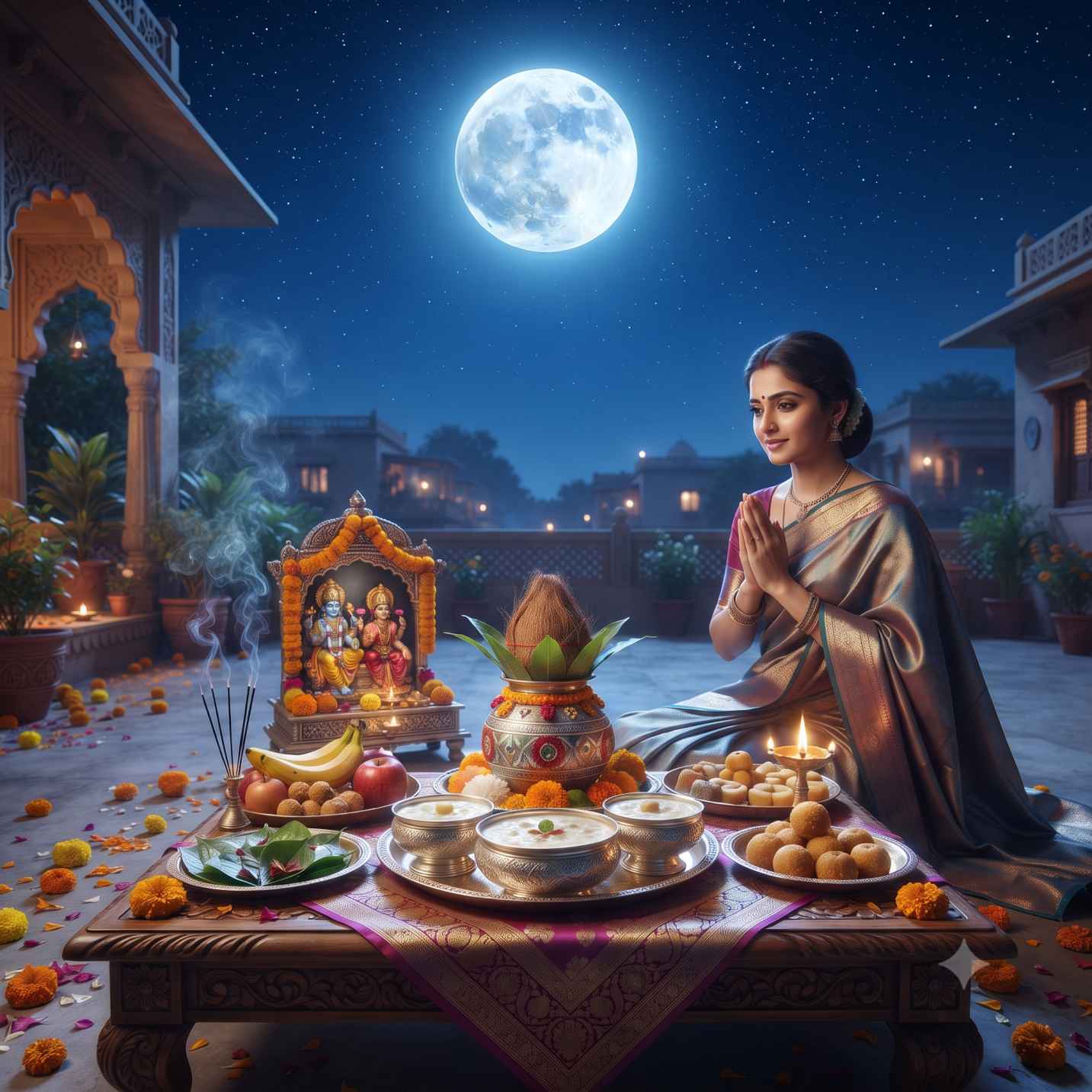
Tulsi Vivah is a deeply revered Hindu festival that marks the ceremonial wedding of the sacred Tulsi plant (Holy Basil), viewed as an earthly manifestation of Goddess Lakshmi, to Lord Shaligram or an amla branch, representing Lord Vishnu. Celebrated during the bright fortnight (Shukla Paksha) of the Hindu month of Kartik (typically starting around Prabodhini Ekadashi), this festival symbolizes the official conclusion of the monsoon season and the auspicious opening of the traditional Hindu wedding season.
Mythological Origins and Legends
The historical and spiritual roots of Tulsi Vivah are anchored in rich Hindu lore, most notably involving the devotion of Vrinda.
The Legend of Vrinda and Jalandhar: According to sacred texts like the Padma Purana, a pious devotee named Vrinda was married to the demon king Jalandhar. Due to Vrinda’s absolute chastity and unwavering devotion (pativrata bhakti), Jalandhar possessed invincibility, posing a major threat to the gods.
The Divine Transformation: To restore cosmic balance, Lord Vishnu intervened. Upon discovering the truth, Vrinda transitioned from earthly life, and her soul manifested as the holy Tulsi plant. In recognition of her supreme devotion, Lord Vishnu vowed to marry her in her botanical form in every succeeding age, taking the form of the sacred Shaligram stone.
Traditional Rituals and Ceremonial Observances
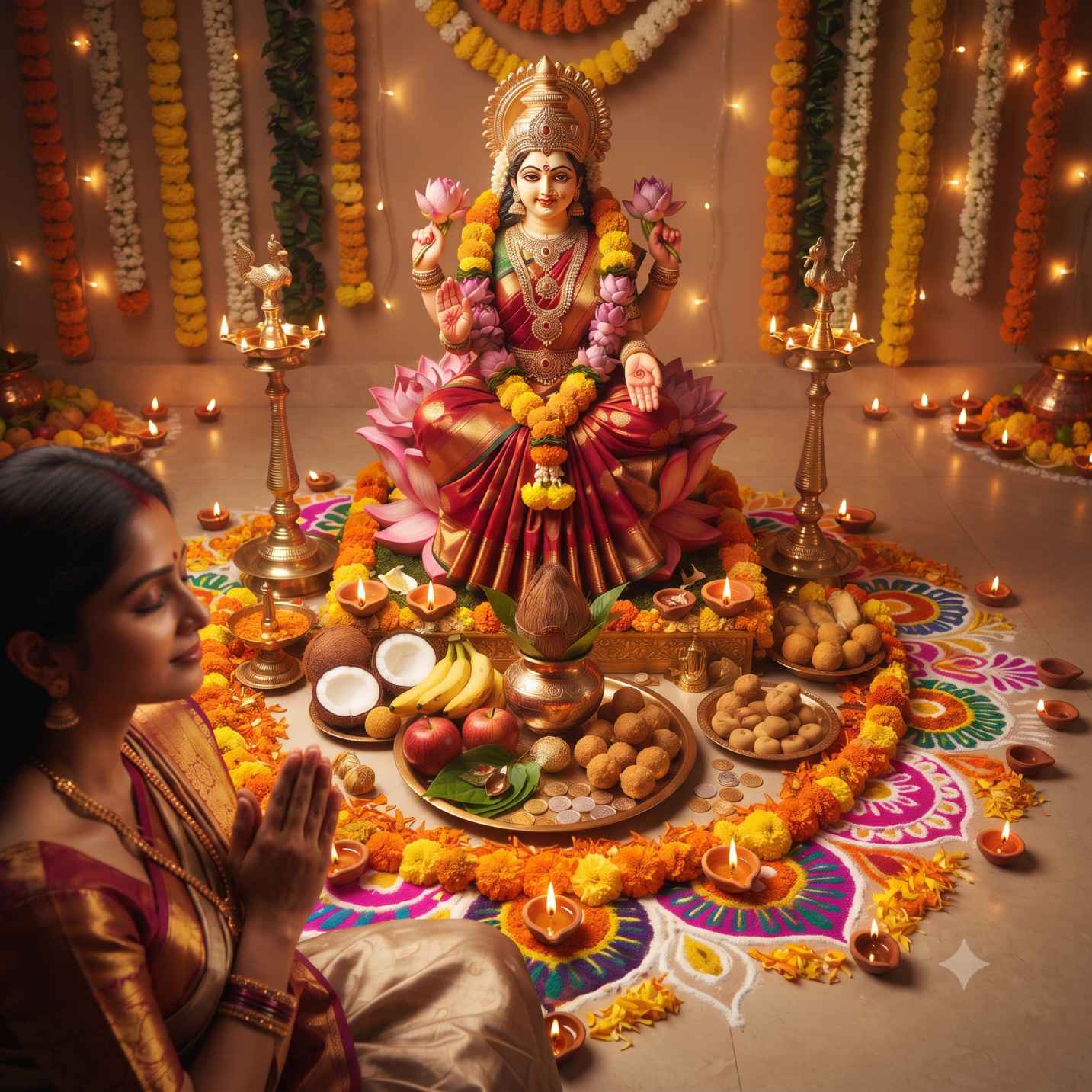
The celebration of Tulsi Vivah closely mirrors a grand, traditional Indian wedding, complete with meticulous festive preparations:
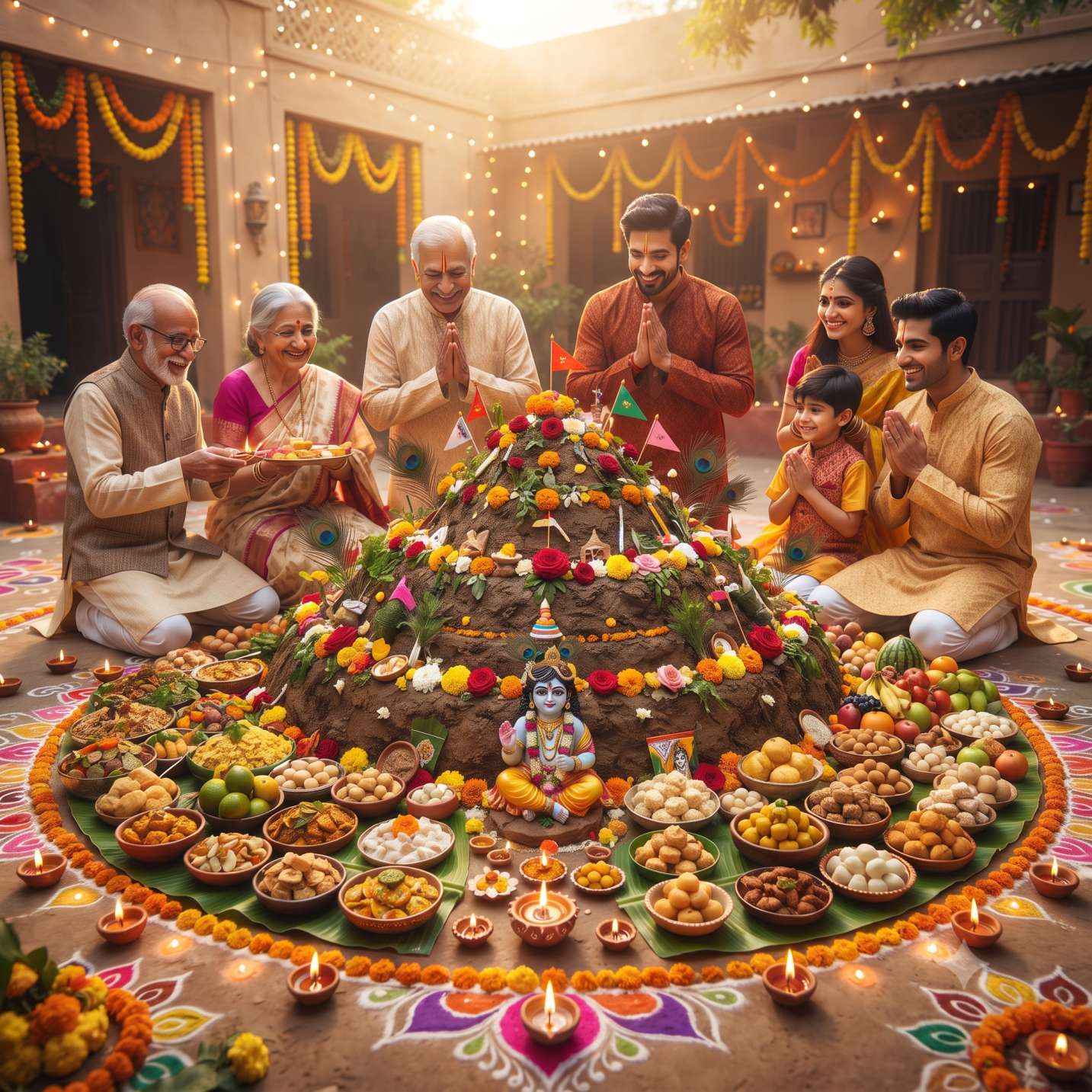
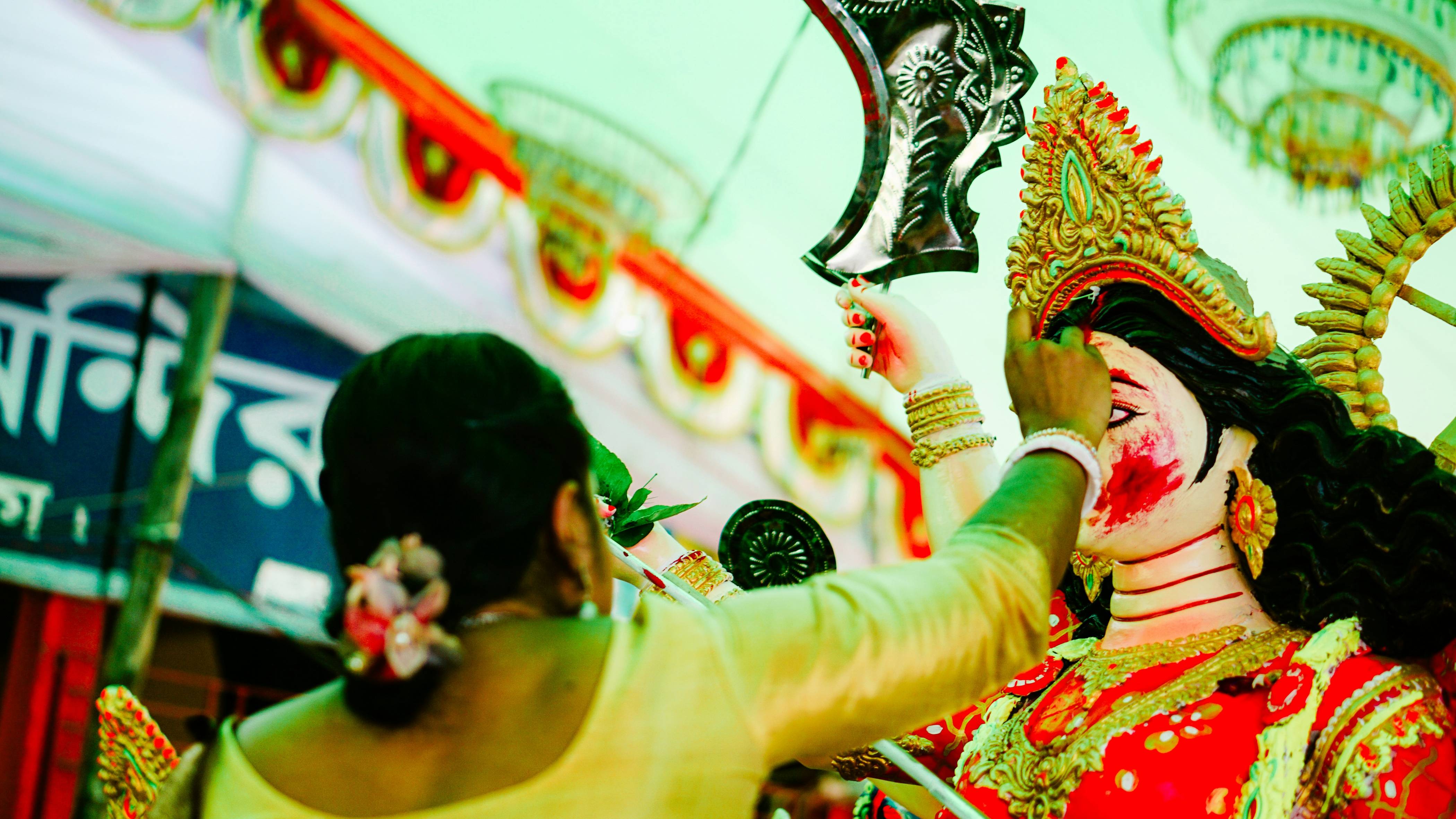
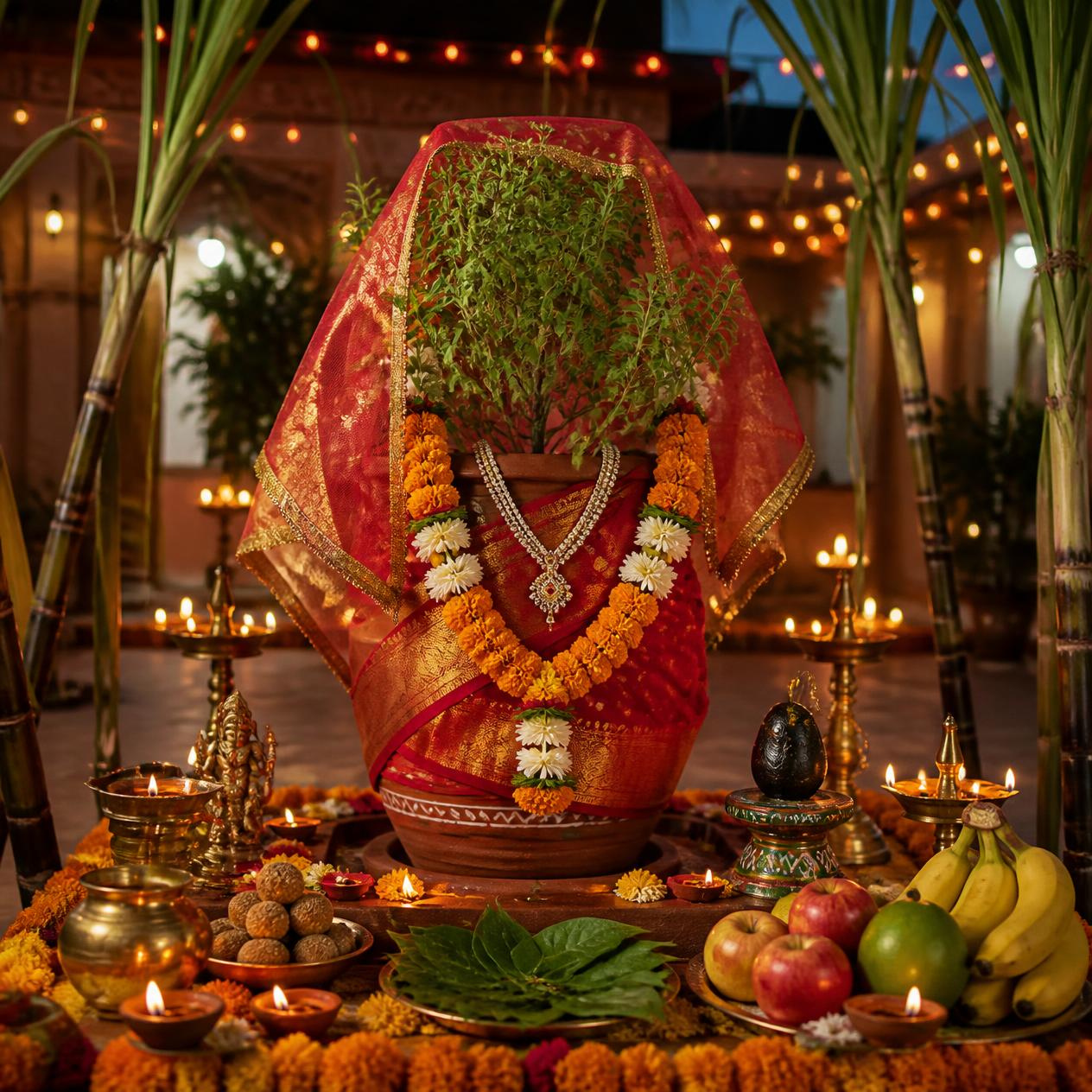
Decorating the Mandap: Families construct a ceremonial wedding booth (mandap) around the Tulsi Vrindavan (the brick-plastered altar where the plant rests in the center of a courtyard).
Bridal Adornment: The Tulsi plant is dressed like a bride with a vibrant red sari, turmeric, sandalwood paste, garlands, and jewelry.
The Wedding Rites (Kanyadaan): Devotees take on the role of parents, performing the sacred kanyadaan ritual to give away Tulsi to Lord Vishnu or Lord Krishna, accompanied by traditional wedding hymns, bhajans, and auspicious Mangalashtak chants.
Significance and Modern Relevance
Tulsi Vivah carries immense cultural, environmental, and spiritual importance:
Inaugurating the Wedding Season: Because the four-month resting period of the gods (Chaturmas) ends with Prabodhini Ekadashi, Tulsi Vivah signals the safe resumption of marriages and celebratory events in Hindu society.
Honoring Nature: By elevating a medicinal plant to the status of a divine bride, the festival underscores the profound ancient respect for nature, herbal health, and ecological preservation embedded within Indian tradition.
References
Wikipedia contributors. Tulasi Vivaha. In Wikipedia, The Free Encyclopedia. https://en.wikipedia.org/wiki/Tulasi_Vivaha
Scribd. Tulsi Vivah: Significance and Rituals. https://www.scribd.com/doc/165058920/Tulsi-Vivah
Pandits Near Me. (2025). Tulsi Vivah 2025: Significance, Tulsi Puja Date & Rituals. https://panditsnearme.com/blog/significance-of-tulsi-vivah-pooja
Britannica, The Editors of Encyclopaedia. Tulsi Vivah. Encyclopedia Britannica. https://www.britannica.com/topic/Tulsi-Vivah
DWS Jewellery. (2025). Sacred Tulsi Vivah: Divine Union of Tulsi and Vishnu. https://www.dwsjewellery.com/blog/tulsi-vivah/
JKYog. (2025). Tulsi Vivah 2025: Date, Vidhi, Muhurat, Story & Significance. https://www.jkyog.org/blog/tulsi-vivah-2025-date-vidhi-muhurat-story-significance
eCraftIndia. (2022). Tulsi Vivah Puja: Significance Of Celebrating Lord Vishnu's Marriage To Tulasi. https://www.ecraftindia.com/blogs/articles/tulsi-vivah-puja-significance-of-celebrating-lord-vishnus-marriage-to-tulasi