
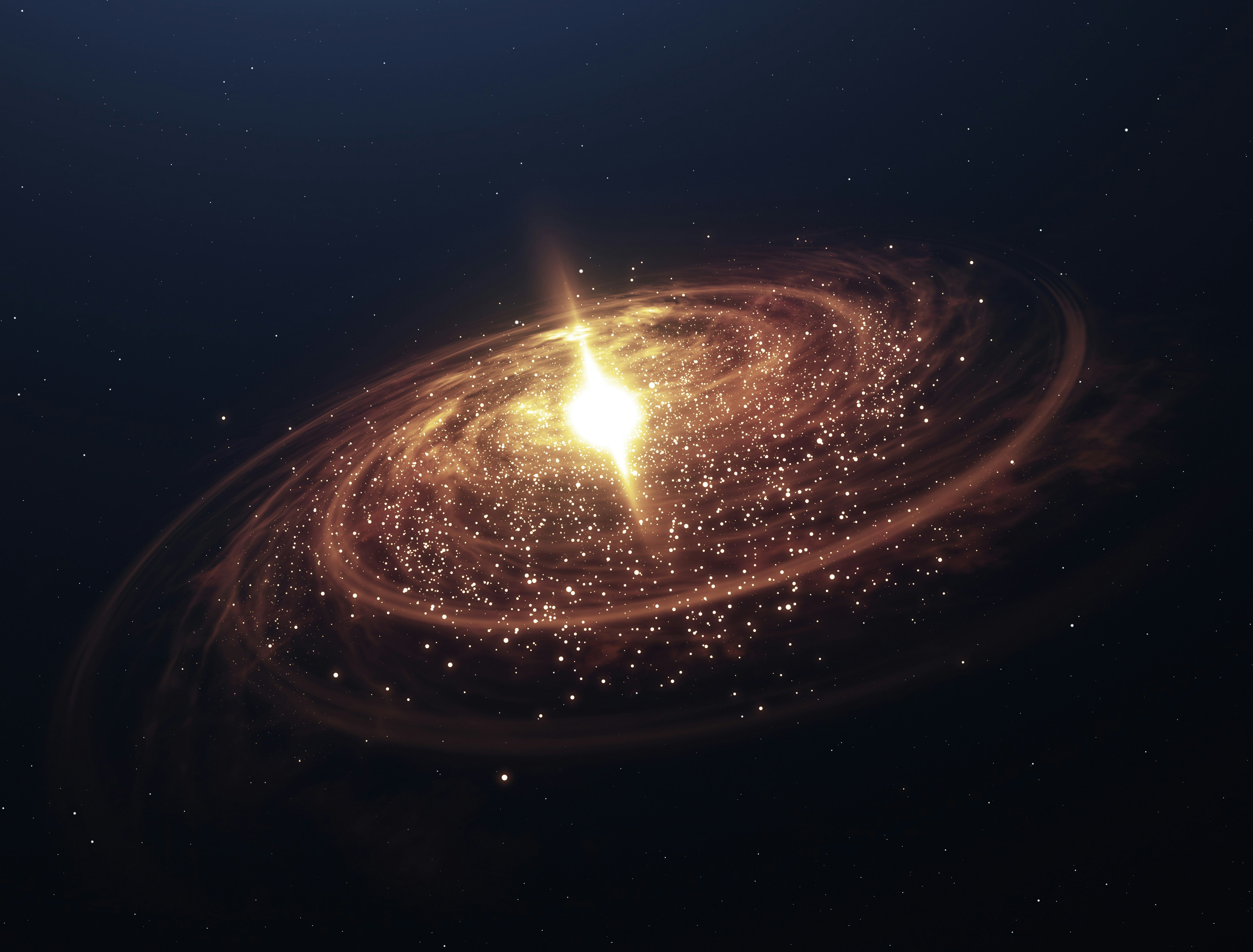
World Space Week (October 4–10): Celebrating Science, Technology, and Exploration
Introduction to World Space Week
Observed annually from October 4 to October 10, World Space Week is officially recognized by the United Nations as the largest annual space event in the world. Spanning over 95 nations globally, this week-long celebration highlights how space science, technology, and exploration contribute to the betterment of the human condition, drive sustainable economic development, and inspire the next generation of scientists and engineers.
Historical Significance: Why October 4–10?
The dates of World Space Week are firmly anchored in two monumental milestones in the history of space exploration:
October 4, 1957: The successful launch of Sputnik 1, the world's first artificial human-made Earth satellite, which effectively opened the doorway to space exploration.
October 10, 1967: The entry into force of the Outer Space Treaty (Treaty on Principles Governing the Activities of States in the Exploration and Peaceful Uses of Outer Space, including the Moon and Other Celestial Bodies), establishing the legal foundation for international cooperation and peaceful use of outer space.
Declared by the UN General Assembly in December 1999, these combined dates bridge the dawn of practical satellite technology with global governance and cooperation.
Core Objectives and Global Mission
World Space Week serves multiple critical educational and developmental goals worldwide:
Public Outreach and Education: Providing space agencies, aerospace companies, schools, planetariums, and museums with a synchronized platform to educate the public on space benefits.
Inspiring Youth: Fostering enthusiastic interest in Science, Technology, Engineering, and Mathematics (STEM) fields among students and young learners.
Demonstrating Public Support: Showcasing widespread grassroots backing for domestic and international space programs.
Dynamic Annual Themes
Each year, the World Space Week Association (WSWA) establishes a unique overarching theme to focus global discussions and educational activities:
Recent Focus Areas: Past milestones have explored vital topics such as Space and Sustainability (2022), Space and Entrepreneurship (2023), Space & Climate Change (2024), and Living in Space (2025).
Current Focus: The 2026 theme, "Rocket Revolution," turns attention toward modern advancements in launch vehicle engineering, reusable rockets, dramatically reduced launch costs, and increased commercial accessibility to space.
Nationwide and Community Celebrations
During this week, millions of participants engage through local and digital events:
School and University Activities: Educators utilize hands-on experiments, rocket-building workshops, model displays, and stargazing sessions to turn complex aerospace concepts into accessible learning.
Exhibitions and Planetarium Shows: Science centers host special presentations, panel discussions with aerospace professionals, and public exhibits showcasing satellite data usage in everyday life.
Looking Upward Together
World Space Week is much more than a commemoration of past milestones; it is a forward-looking catalyst for global unity. By connecting communities to the infinite possibilities of the cosmos, the event reminds humanity that space is a shared frontier essential for scientific innovation, global problem-solving, and inspiring future generations.